
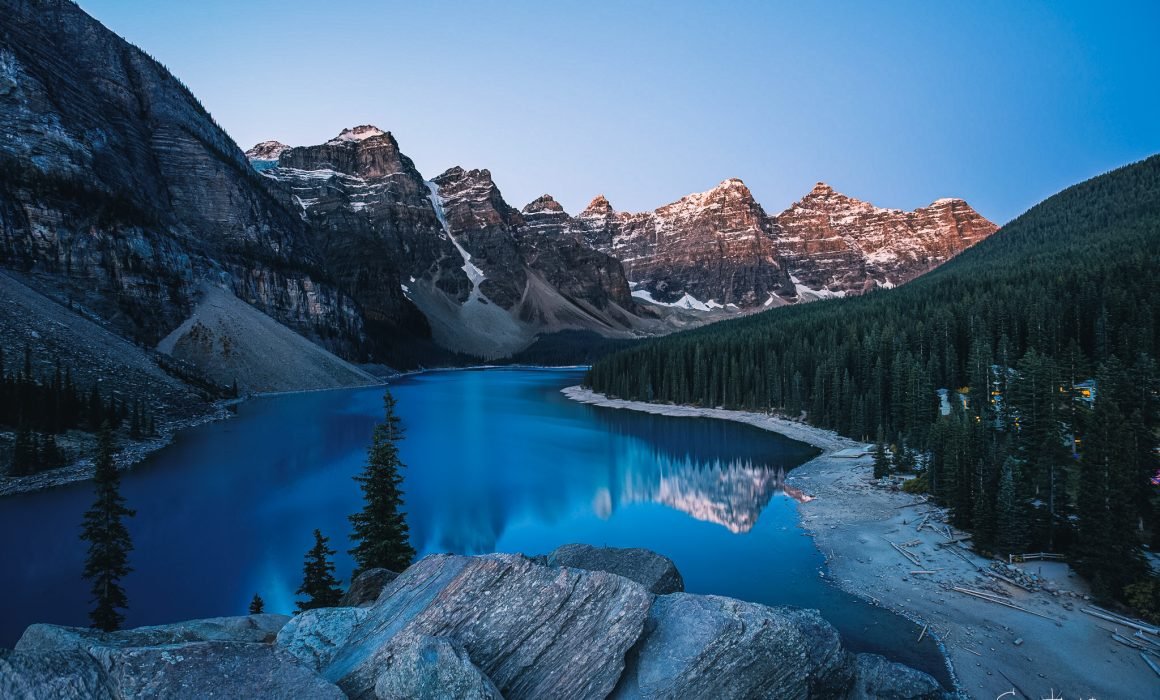
Learning to See
Before that morning, I thought I knew how to photograph a landscape. I knew how to expose an image. I knew how to use a tripod. I understood the principles of good composition. I felt confident in my gear.
What I didn’t know was how to truly see.
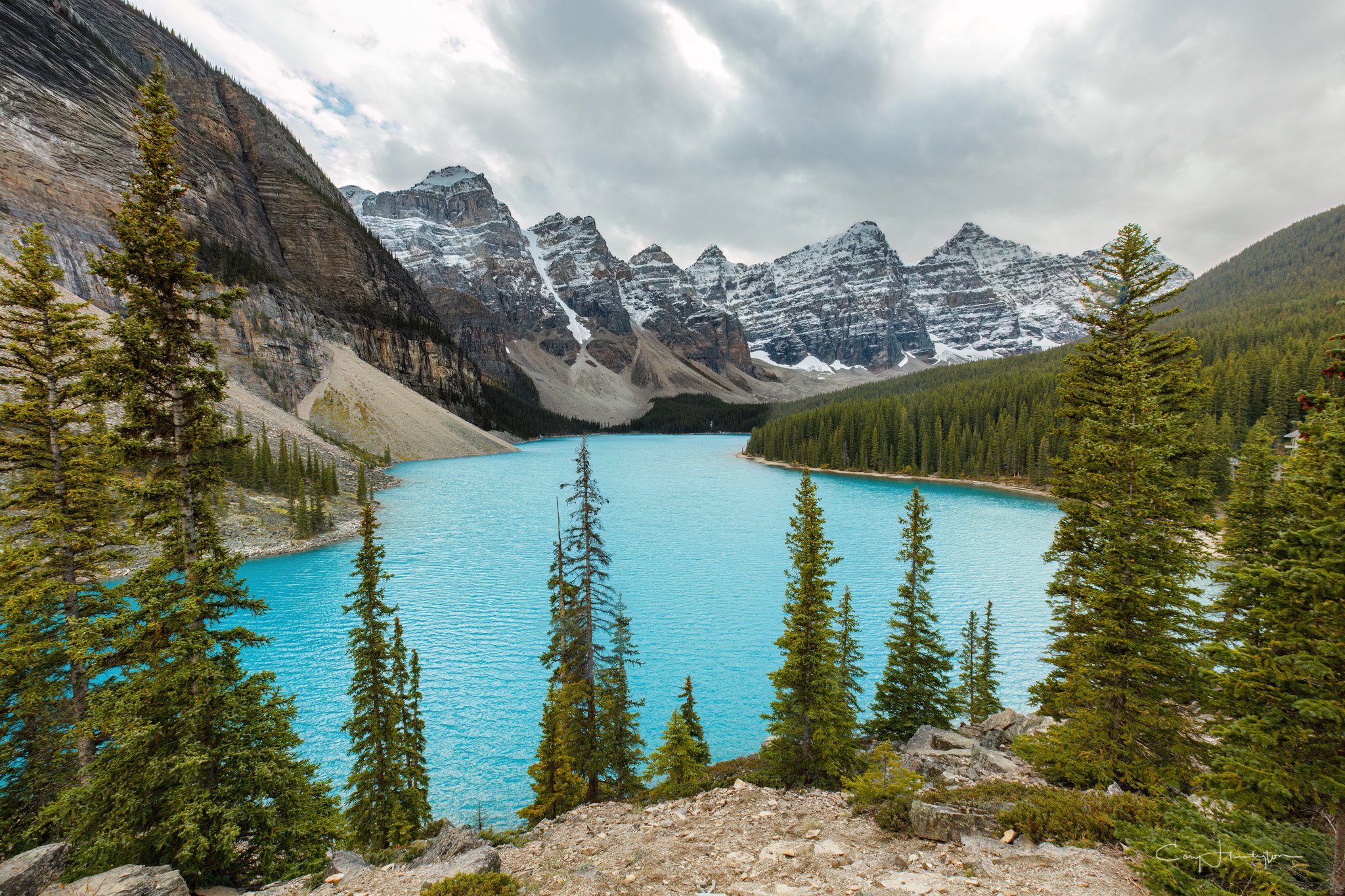
When I signed up for my first photography workshop in the Canadian Rockies with landscape photographer Paul Zizka, I expected to come home with incredible photographs. I had no idea I’d come home seeing the world differently.
Looking back now, I can trace the moment everything changed to a single morning in the Canadian Rockies.
The only sounds were boots hiking on the stone and the occasional click of a tripod and gear rattling over someone’s shoulder. We climbed the Rockpile Trail in darkness, knowing Moraine Lake was somewhere below us, hidden beneath the night. Above us, the silhouettes of the Valley of the Ten Peaks slowly emerged in the moonlight.
The immediate reaction was to claim a spot, set up the tripod, and start preparing for sunrise.
Instead, Paul gathered us together. Rather than talking about camera settings, he talked about the landscape. He encouraged us to walk around before committing to a composition. To look for foreground elements. To change our perspective. To think about the story we wanted to tell before we ever pressed the shutter. Then he gave us one piece of advice that has stayed with me ever since.
Slow down.
Wait.
We all stopped, and started really trying to take it all in, eventually finding spots we each liked. By this time, darkness was fading, and you could now see the lake and the rocky faces of the mountains. As the sky began to brighten, I could feel that familiar excitement; every instinct told me to start taking pictures before I missed something. Instead, he encouraged us to wait a little longer, until the sunlight touched the peaks.
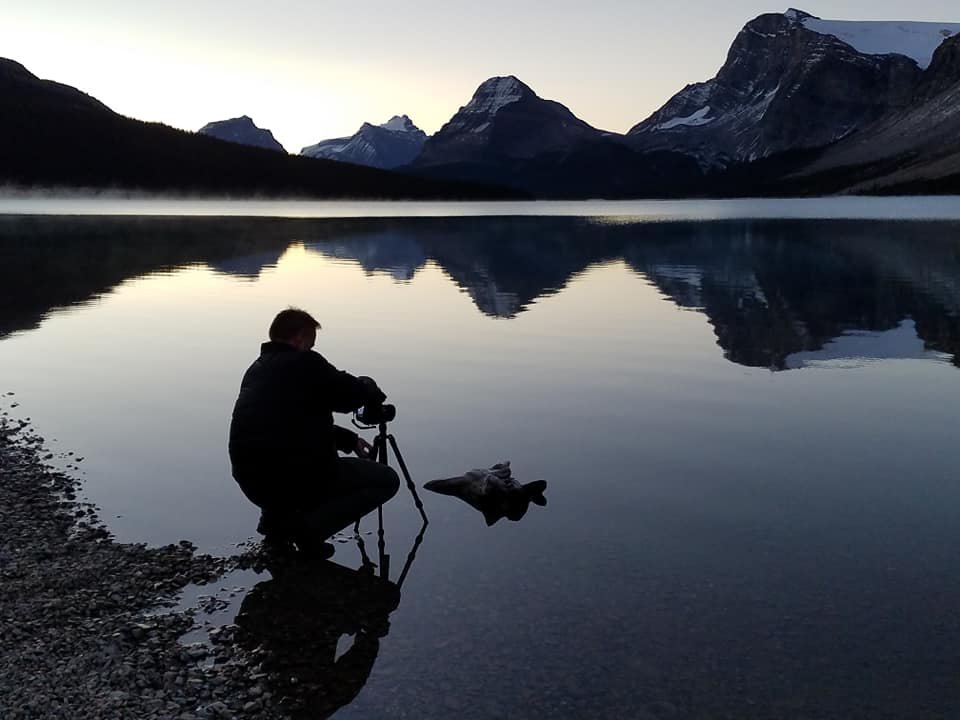
That morning changed something in me. Instead of racing to capture the sunrise, I found myself enjoying everything that came before it. Studying the landscape. Watching the changing light. Listening to the birds waking up around the lake. Once I had found my composition, there was nothing left to do but be present and wait for the mountains to catch the first light of day.
Places like Moraine Lake make it easy to create beautiful photographs.
Creating a meaningful one is something entirely different.
Even today, when I arrive somewhere new, I still catch myself asking, How would Paul see this scene? Not because I want my photograph to look like his. Quite the opposite, actually. I think about how he would study the landscape before ever lifting the camera. What story is the place trying to tell? Where does the eye naturally travel? Is there a foreground that strengthens the image? Is the best light still a few minutes away?
Looking back, I realize Paul taught me far more than landscape photography. He taught me that slowing down isn’t just a better way to make photographs.
It’s a better way to experience the world.
To pay attention.
To respect the places we visit.
To appreciate wildlife without disturbing it.
To leave a location better than we found it.
To remember that the experience always comes before the image.
Before that workshop, arriving somewhere new meant unpacking my camera as quickly as possible. Today, the camera is often the last thing I think about.
I walk.
I listen.
I look for details.
I watch how the light moves across the landscape.
I notice reflections, textures, and the small details I might have once overlooked.
Sometimes I don’t even take the camera out for several minutes. In many ways, finding the composition has become just as rewarding as the photograph itself.
Once I’ve found the composition, I’m no longer thinking about camera settings. I’m listening to the birds, watching clouds drift across the mountains, or simply enjoying the quiet while I wait for the light. Ironically, slowing down has made me a better photographer—but more importantly, it has helped me become more present.
I don’t always get the photograph I imagined. Wildlife can be unpredictable. Storms roll in. Sometimes the light you hope for never arrives. Years ago, that might have felt like a wasted morning. Today, I measure success differently. If I spent a few quiet hours outdoors, paying attention to the world around me, the morning was worth it.
Every photograph I make today begins the same way. Not by adjusting a camera setting.
But by slowing down.
Looking a little closer.
Listening a little longer.
Because the best photographs don’t just remind us what a place looked like—they remind us how it felt to be there.
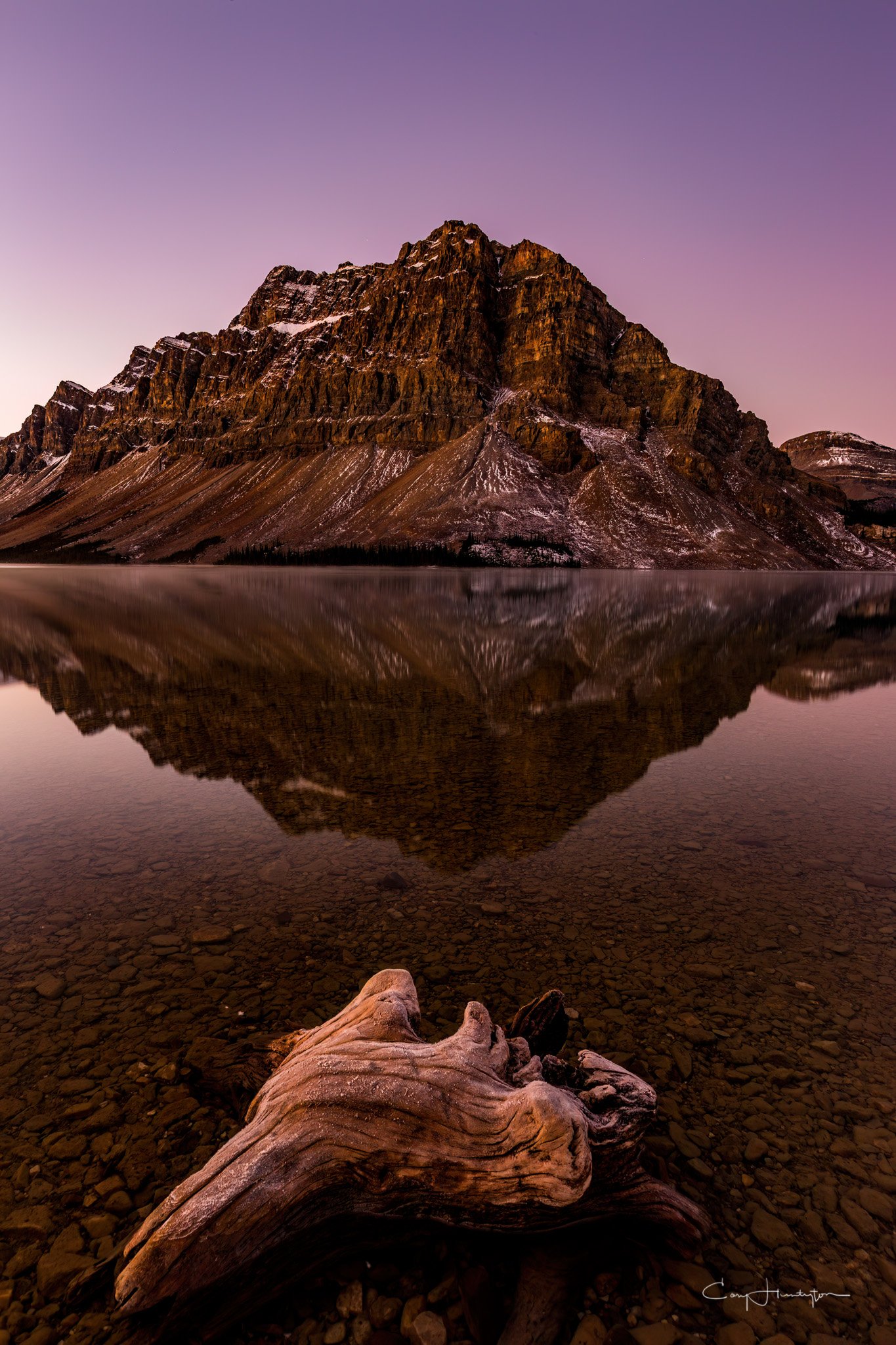
Enjoyed this story?
Follow along on Facebook and Instagram for new photographs, behind-the-scenes moments, and future adventures.